APRIL 2026
In 2024, as Minnesota faced record budget deficits, the tax committee was set to cut AIS Prevention Aid by 50%. MLR lobbied to prevent this and in the end, the Legislature decided to hold the funding harmless for 2 years, but then begin the 50% reduction on July 1, 2027.
Starting March 2026, MLR launched the Aquatic Invaders education/communication effort focused on the importance of state funding of local AIS prevention efforts as a critical tool in protecting Minnesota’s lakes and rivers from the worst impacts of AIS.
This broad, multi-media outreach will culminate at MLR’s 2027 Aquatic Invaders Summit on March 9-10, 2027, followed by an AIS Prevention Aid afternoon at the Capital with MLR Advocates on March 10.
SEPT 2025
The Department of Natural Resources has released their annual snapshot of AIS Prevention Aid from 2024. The results show an increase in partnerships and dollars leveraged between 2023-2024 with 30 counties reporting over $2 million dollars awarded to 232 local organizations in grants (up from $1.5 million to 150 organizations in 2023). Over 100 new jobs in AIS work were created and 42 counties taught 15,510 children about AIS. You can find this snapshot and more resources to share about AIS prevention in Minnesota at the MN DNR’s webpage: https://www.dnr.state.mn.us/invasives/ais/prevention/index.html
MAY 2025
This spring, as the Taxes Omnibus Working Group was working through their differences in the tax bills, Sen. Ann Rest, Chair of the Senate Tax Committee, said, “We had originally accepted the Governor’s position of cutting the (County) AIS aid in half, from $10 million to $5 million, but sometimes it’s one of those smaller things that get the biggest reaction from people, and we heard over and over again…. (that) this program should be left whole… and not to touch the AIS Prevention Aid… so we took it back and left the AIS alone.”
The 2025 Legislative Session ended with no cuts to AIS Prevention Aid. Legislators are opting to kick this can down the road, delaying the Governor’s proposed 50% cut to the $10 million aid program to be rehashed in the next budget session in 2027.
THIS IS NOT THE END OF OUR FIGHT.
Stay connected to MLR’s efforts in protecting and enhancing this and other crucial invasive species management funding by subscribing to our Citizen’s Action Network.
JAN. 2025
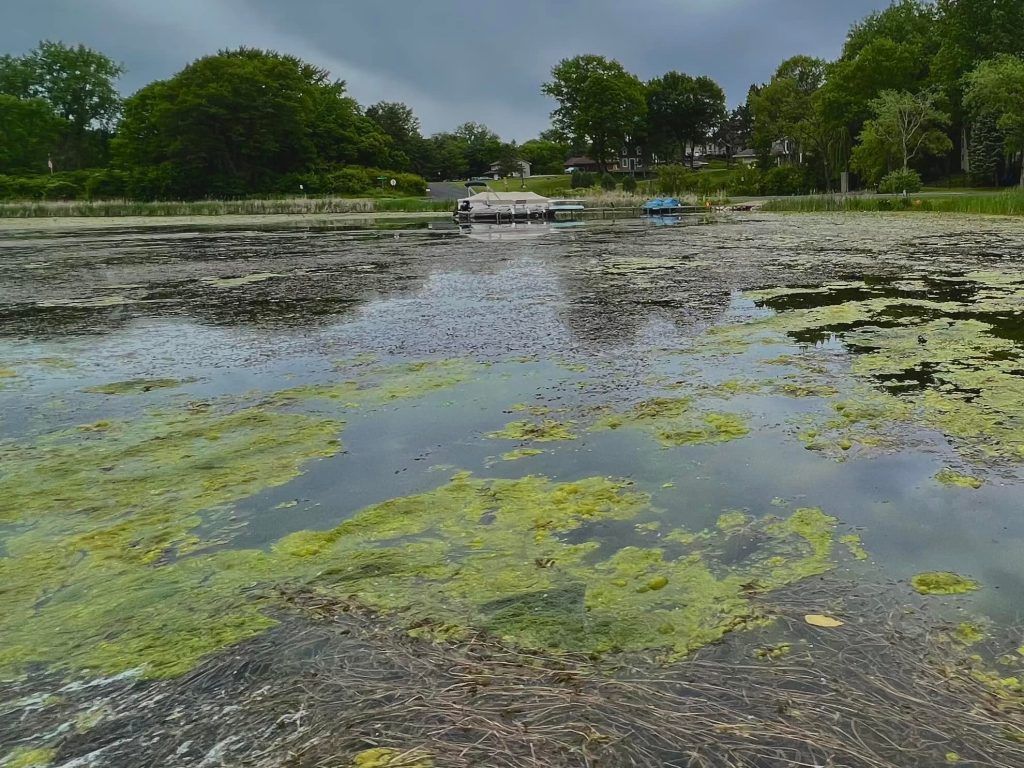
For the last ten years, Minnesota has led the nation in preventing the spread of aquatic invasive species (AIS) through the Aquatic Invasive Species Prevention Aid program. Established in 2014 with the support of Minnesota Lakes and Rivers Advocates, this program allocates $10 million annually to local governments, empowering them to implement targeted, science-based solutions to protect our lakes and rivers.
However, the 2025 Governor’s budget recommendation proposes reducing this vital program by 50% and phasing it out entirely by 2029. Such cuts could significantly weaken our ability to prevent new AIS introductions, leading to increased long-term costs for lake associations, property owners, and local governments.
This funding has played a critical role in maintaining Minnesota’s reputation as a leader in AIS prevention and management. County-led initiatives have successfully increased public awareness, strengthened watercraft inspection and decontamination efforts, and fostered local partnerships to combat invasive threats like zebra mussels, Eurasian watermilfoil, and starry stonewort. The results speak for themselves—communities across the state have leveraged these funds to safeguard the health of their waters, ensuring that future generations can enjoy Minnesota’s cherished lakes and rivers.
To highlight the importance of this funding, we have put together a one-page flyer detailing the positive impact AIS Prevention Aid has had over the past decade. We encourage you to share it with your friends, family, and colleagues—anyone who values clean, healthy waterways. By raising awareness, we can ensure that this essential program continues to protect Minnesota’s lakes and rivers for years to come.