What is the Minnesota Natural Shoreline Partnership?
The MN-NSP works to reshape perceptions, attitudes, & policies around lakeshore development & stewardship. We inspire the commitment & action needed to protect and restore natural shorelines Explore these whitepapers by to learn more about this important collaboration and the science, strategies, & shared vision guiding this work:
Minnesota’s Vanishing Shorelines
Shoreline Alteration Management
Partnership Members
Board of Water and Soil Resources (BWSR)
Carnelian, Marine, St. Croix Watershed District
Comfort Lake Forest Lake Watershed District
Leech Lake Band of Ojibwe Environmental Land Department
Minnesota Coalition of Lake Associations (MNCOLA)
Minnesota Lakes and Rivers (MLR)
Douglas County Lakes Association
Washington Conservation District
East Metro Water Resource Education Program
Stearns County Soil and Water Conservation District (SWCD)
Lake County Soil and Water Conservation District (SWCD)
Cass County Environmental Services
Water Resource Center – University of Minnesota Extension
Lower St. Croix Watershed Partnership
Department of Natural Resource – Lake Ecology
Want to get involved? Reach out to Lily Carr: lily@mnlakesandriver.org
What can you do to help save our shores?
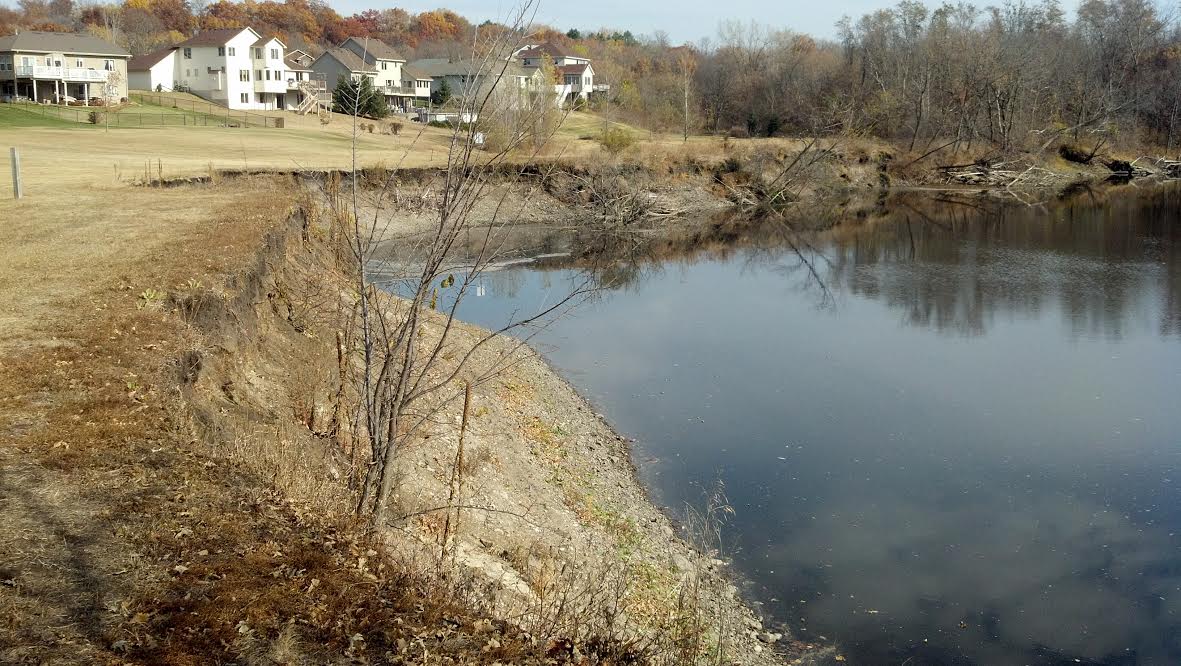
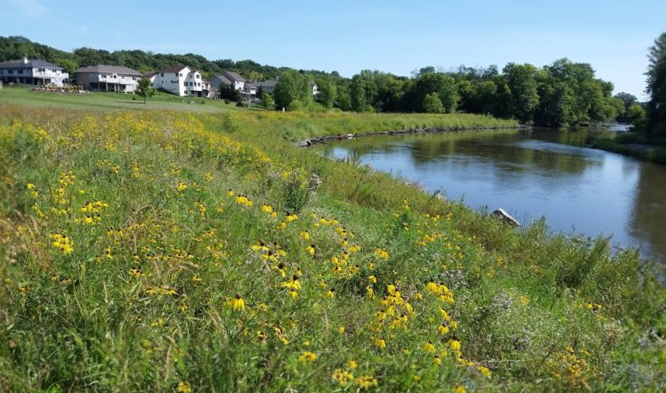
Don’t mow-let it GROW~ Mowed turf shorelines let 7–9 times more pollutants enter lakes than natural vegetation, fueling algal blooms, excess aquatic growth, and declining water quality. This loss of natural habitat also threatens fish, loons, frogs, butterflies, and the scenic beauty that defines Minnesota’s lakes.
Get rid of rip-rap ~Erosion control with rip rap (large shoreline stones) harms natural habitats, reduces biodiversity, and can worsen erosion by increasing wave energy. Natural shoreline buffers better protect water quality, wildlife habitats, and healthy aquatic plant growth.
Learn to live with “weeds”~ Aquatic plants are essential for Minnesota’s lakes and rivers, providing habitat and food for fish and wildlife while improving water quality by absorbing nutrients and stabilizing sediments. Next time a “weed” brushes your toes while swimming, remember it’s helping sustain Minnesota’s fisheries.
Resources:
Trouble By the Water: This series by Minnesota Public Radio takes you across the state to learn about the impact of shoreline development on the state’s water quality. Hear stories from the shore on how communities are working to restore our vanishing shores.
- Unchecked development, lax regulation push Minnesota lakeshores to the edge
- ‘Quit mowing’: Turning Minnesota lake homeowners into shoreline stewards, one lawn at a time
- In NW Wisconsin, a county finds paying homeowners to keep shorelines natural pays off
- 10 key data points and graphs about loss of shoreline on Minnesota’s lakes
- On Cross Lake, loons make the case for protecting Minnesota’s wild shores
- Native plants, lots of patience: How a Stearns County couple restored a damaged lakeshore
- In new U study, questions resurface over wakesurfing’s impact on Minnesota lakes
- Across northern Minnesota’s pristine lake country, mercury contamination is growing
- Minnesota is armoring its shorelines with rocks, but lakes are paying a price
- Reporter’s Notebook: Covering the impact of rock riprap on Minnesota lakes
- Beyond the surface: Scientists study how wake boats affect lake health
It’s SHORE Important the Game: This interactive shoreline game is a free educational resource. Print out the action cards to design your own shoreline and calculate your Shore Score. Explore the critical role of stewardship on the land closest to the water and see how your choices directly impact the lakes and rivers we all cherish.
Restore Your Shore: Bring your ideal shoreline to life with these practical resources and expert guidance. Learn how to plan, plant, and maintain natural vegetation that protects water quality and supports wildlife. These tools make it easy to create a shoreline that’s beautiful, healthy, and resilient for years to come.
What to ask your lakeshore landscape contractor: Key questions to ensure your contractor follows best practices for shoreline restoration.
Shoreland Guide to Lake Stewardship: $10 guidebook on how to restore your shoreline property to catch up to 90% of runoff
Minnesota Native Plant Encyclopedia: A resource for identifying native plant species suited to different environments.
Native Plants for Shoreline: A guide to selecting the right native plants to support shoreline health.
Do I Need a Permit?: Information on when a permit is required for shoreline or water-related projects in Minnesota.
Preserving your shoreline for future generations: Already have a natural shoreline? read this webpage which offers guidance on conservation easements as a means to protect and maintain natural shorelines.
Find funding for your project: Organizations and agencies across Minnesota are ready to help you protect and restore natural shorelines. Explore grants and resources that can support your restoration efforts and keep Minnesota’s lakes and rivers healthy and native.
Board of Water and Soil Resources: This page summarizes state and federal funding opportunities that focus on the topics of climate resiliency and adaptation.
Minnesota Land Trust: Since 1991, the Land Trust has partnered with hundreds of Minnesota landowners to permanently protect nearly 90,000 acres of natural land and 600 miles of fragile shoreline. This page shows grant-funded permanent land protection opportunities and a a short landowner inquiry form to be connected to a program manager who can help you understand your options.
Lawns to Legumes: This program offers a combination of workshops, coaching, planting guides and cost-share funding (individual support grants) for installing pollinator-friendly native plantings in residential lawns.
Soil Water Conservation Districts: Many county SWCDs offer cost‑share assistance that can cover shoreline restoration or native shoreline plantings as eligible practices. Use this directory to find and connect with your county’s representatives.
Department of Natural Resources Coastal Waters Grants: Every year the DNR offers grants to help communities, agencies, and organizations balance protection of Lake Superior coastal resources with providing places for people to live, work, and play.