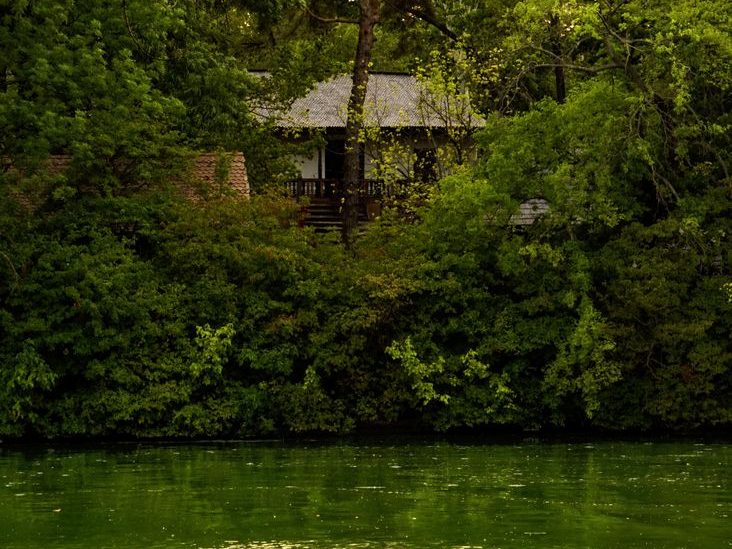
Picture this: Your family has owned a cabin on the same Minnesota lake for three generations. Your grandparents built it. Your parents brought you there every summer. Now, you watch your own kids learn to fish off the same dock. It’s more than a property. It’s a family heirloom.
For tens of thousands of Minnesota families, this is what cabin ownership means. Many are everyday Minnesotans who have spent decades holding onto a modest place on the water, hoping to pass it down to the next generation. Yet when property taxes on seasonal and recreational properties rise sharply, some legislators dismiss their concerns with a familiar refrain: “If you can afford a lake place, you can afford the taxes.”
That assumption overlooks who actually owns Minnesota’s cabins. A 2016 study found that the average cabin owner earned about $58,000 a year. These aren’t all wealthy families with sprawling lakefront estates. They’re teachers, nurses, retirees, and tradespeople who have worked hard to maintain a place where generations of family memories are made.
A 2017 survey found that the average Minnesota lake home or cabin owner was 68 years old and had owned their property for nearly 35 years. One respondent reported that their property had remained in the same family for 104 years.
These cabins aren’t simply vacation properties or financial investments. They’re places where traditions take root, families reconnect, and memories are passed down alongside the property itself. When property taxes rise beyond what families can afford, that legacy is at risk.
When Families Are Forced Out, the Lakes Pay the Price
The consequences of unaffordable property taxes go beyond family heartbreak. When rising taxes force cabin owners to sell, those properties don’t disappear — they get subdivided and developed. Natural forest buffers get replaced with suburban-style lawns. Native shoreline gives way to manicured grass running straight to the water’s edge.
In 2000, the average seasonal lot in Minnesota was 78 acres. By 2007, after the real estate boom drove up assessed values and tax bills, that average had fallen to fewer than 40 acres. Half the land, gone in less than a decade.
Minnesota spends more than $250 million a year trying to protect and improve water quality. Property tax policies that push families to sell and subdivide sensitive shoreland undermine every dollar of that investment.
How We Got Here
Minnesota’s property tax system is complex, but the basic dynamic isn’t hard to understand.
Local services — schools, roads, public safety — are funded by a mix of local property taxes and state aid. When state aid goes down, local governments have to make up the difference. Property taxes go up. When one class of property — say, lakeshore — rises in value faster than others, more of the tax burden shifts onto those properties.
In the 1970s, Minnesota addressed this problem with the so-called “Minnesota Miracle” — a system of state aid to equalize funding across districts and protect rural communities. At its peak, the state supplied about half the funding for services in rural towns. Today, after decades of cuts, a city like Bemidji receives about 35% of its funding from state aid. The rest has to come from somewhere — and that somewhere is usually your property tax bill.
Homestead properties receive meaningful protections: a market value exclusion. Farmers have Green Acres. Veterans have the Disabled Veteran’s Exclusion. Undeveloped lakeshore and cabins? No direct exclusion at all.
What MLR Has Done — and What We’re Still Fighting For
Minnesota Lakes & Rivers Advocates was founded in 1994, originally called the Minnesota Season and Recreational Property Owners Coalition which began when members of the Lake Vermilion Association grew concerned after watching property taxes spiral out of control.
Over three decades, our advocacy on behalf of lakeshore homeowners has won real, lasting protections:
- Lowered the tax rate on cabins from 2.25% to 1% — the same rate as a homestead
- Championed the Limited Market Value law that capped year-to-year assessment increases at 8%
- Created the Managed Forest Tax Classification for undeveloped lakeshore, lowering the tax rate from 1% to 0.65%
- Secured higher Payment in Lieu of Taxes (PILT) payments for counties with large amounts of tax-exempt public land, reducing the burden on local property owners
These wins matter. But the pressure keeps building.
For years, we’ve advocated for a Sustainable Lakeshore Incentive Act — a property tax benefit for natural or restored shoreline. Rewarding landowners who protect native buffers isn’t just fair, it’s one of the most cost-effective water quality tools the state has available.
We’re also pushing the Legislature to increase funding for Property Tax Refunds, Aids, and Credits that will help keep cabins in the family. Minnesota’s lakes are a public trust. The families who steward lakeshore properties — keeping them natural, keeping them in the family, keeping the shoreline intact — are doing a public good.
MLRA is celebrating 32 years work, but we also know there is much more to be done. By becoming a member or encouraging others to join, you are supporting our work to represent lake associations and lakehome and cabin owners statewide.