
Minnesota Lakes & Rivers Advocates

Walking along a Minnesota shoreline in any season, it’s easy to see why so much of our state’s iconic imagery revolves around where land meets water.
In spring, you may spot a blush of pink as the buds of Minnesota’s state flower, the lady’s slipper orchid, emerge from a forested wetland. In summer, the calls of common loons, our state bird, greet you at dawn and dusk. Come fall, the brilliant orange wings of monarch butterflies, our state insect, brighten the wildflowers growing along the shore. And in winter, even when the lakes are frozen, you can drill a hole nearshore and fish for Minnesota’s state fish, the walleye.
Naturally, Minnesota’s shorelines are teeming with life and continually adapting to changing weather conditions. However, today, nearly half of these shorelines have been altered into more human-centered landscapes, often characterized by turf lawns and rocky, armored shores.
Minnesota’s waters are a public good, and the health of our lakes depends in part on what happens along their shores. When native vegetation and forested buffers are removed, essential wildlife habitat is lost and the natural systems that protect water quality are disrupted.
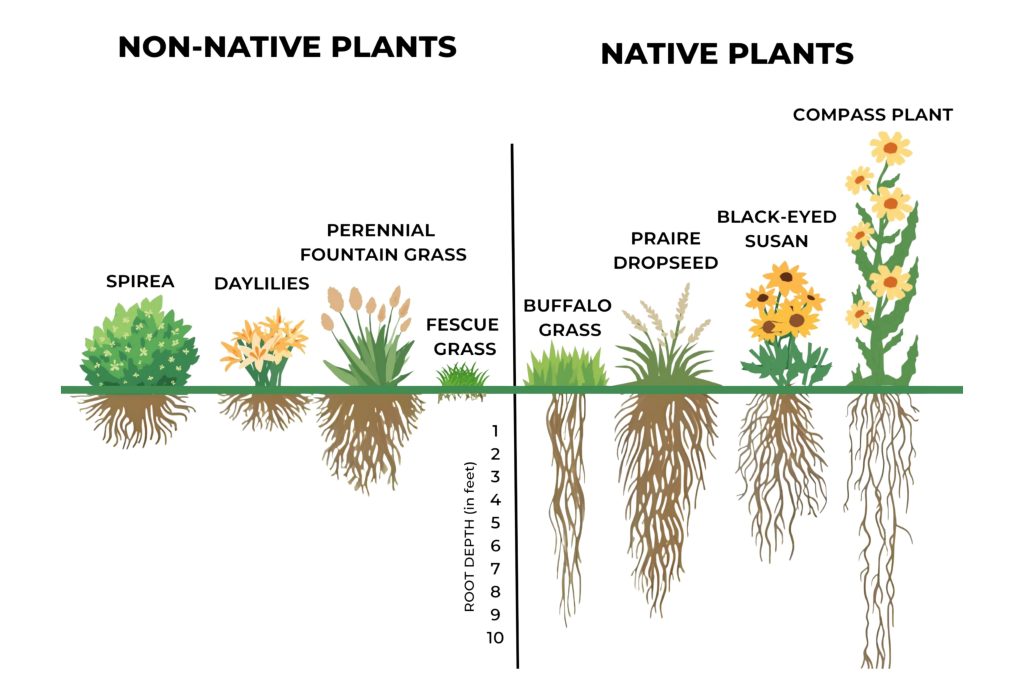
Deep-rooted plants, trees, and shoreline vegetation help slow and filter runoff, trapping sediment and absorbing excess nutrients before they enter our lakes. Without these natural buffers, more pollutants reach the water, contributing to declining water quality and conditions that can promote algae growth.
There are approximately 45,000 miles of lakeshore in the state, much of it privately owned. For example, along Minnesota’s 206 miles of Lake Superior coastline, only about 19 miles (10%) are publicly owned. This means that while standards for shoreline management are established and enforced by state and local governments, the day-to-day stewardship of these critical habitats rests with hundreds of thousands of individual property owners.
Most people who live near or along the shore want to do what is right to protect their investment. For every one-meter increase in water clarity, a shoreline property can gain up to $50 per foot in value. Maintaining natural shorelines also benefits property owners in ways that go beyond financial returns. Buffers of deep-rooted plants help prevent erosion and mitigate ice heave damage, while native submerged and emergent aquatic plants filter pollutants. Forested shorelines provide fallen branches and shade that create ideal habitat for fish to spawn and seek shelter, supporting healthier fisheries.
When property owners understand these benefits, they are more likely to consider changes to their shoreline management practices. However, reaching the hundreds of thousands of individuals living on and around our shores across the state is no small task.
That’s why organizations and businesses that care about Minnesota’s waters came together this year to support another season of the Shoreline Stewardship Series, a digital campaign promoting native and natural shorelines and connecting property owners with the Lake Steward program.
The Shoreline Stewardship Series uses digital advertising to introduce the benefits of natural shorelines to a broader audience and direct interested viewers to where they can learn more and start to restore their shore.
Shoreline Stewardship Series
The campaign uses streaming television and digital display advertising to bring shoreline stewardship messages onto screens of Minnesotans. Digital “click here” ads also complemented those messages by reaching people as they browse websites, read the news, and check the weather. The campaign also uses geographic and interest-based audience targeting to reach people in communities with strong connections to Minnesota’s lakes and rivers, particularly boating and fishing enthusiasts.
The Shoreline Stewardship Series is designed to bring the benefits of natural shorelines into everyday conversations. But awareness is only the beginning. Property owners also need accessible resources and opportunities to put what they learn into practice.
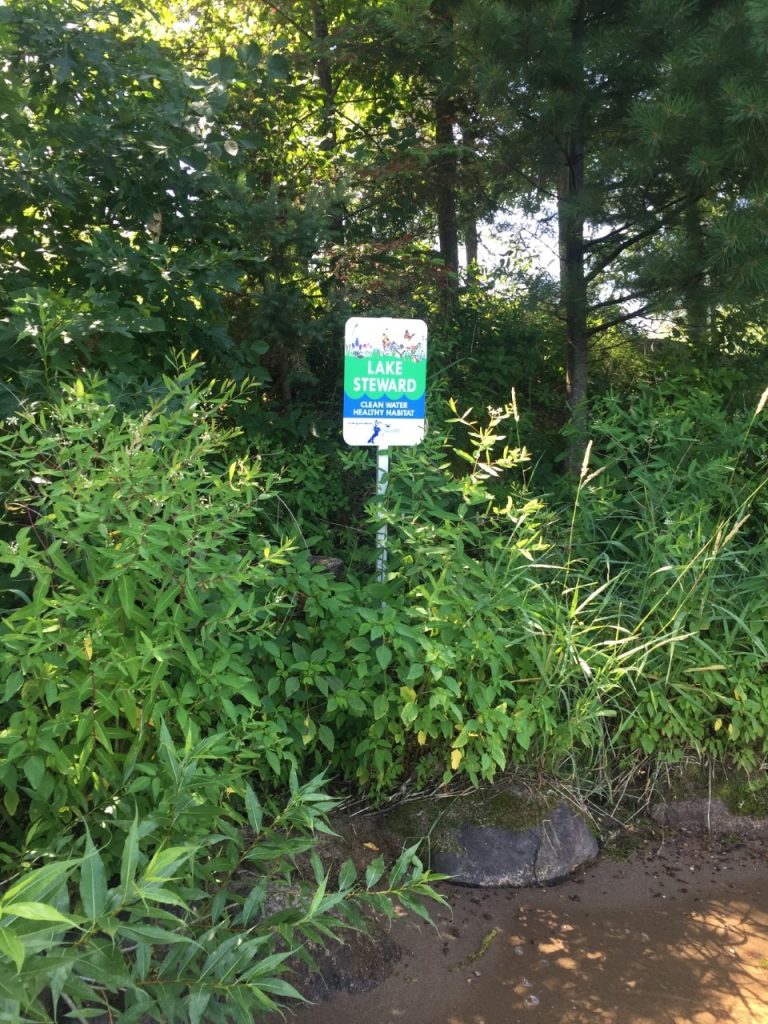
That’s where the Lake Steward program comes in. The Lake Steward program connects lake property owners with local volunteers who can help them better understand the health of their shoreline and identify opportunities to protect and improve it. Through shoreline evaluations, educational resources, and recognition of good stewardship practices, the program makes natural shoreline management more approachable and actionable.
The 2026 campaign ran from May through the end of July, delivering an impressive amount of exposure across digital platforms. Over the course of the campaign, the Shoreline Stewardship Series generated:
- 249,740 total impressions across streaming television and digital display advertising.
- 411 clicks on digital advertisements.
- 90.34% average video completion rate, meaning the overwhelming majority of viewers watched the streaming advertisements through to the end.
- Digital display advertisements with an average click-through rate of 0.16%, four times the reported industry average of 0.04%.
Campaign delivery was concentrated in communities including St. Paul, St. Cloud, Stillwater, Woodbury, and Detroit Lakes, reaching audiences with demonstrated interests in boating and fishing.
These numbers tell an important story about how people encounter conservation messages today. While not everyone who sees an advertisement will immediately visit a website or change their shoreline practices, the fact that more than 90% of viewers watched the videos to completion suggests that the message is resonating with audiences and holding their attention. Repeated exposure helps keep natural shoreline practices top of mind, building familiarity and encouraging people to consider how their own choices affect the health of Minnesota’s waters.
A natural shoreline doesn’t mean giving up the enjoyment of your property. It means recognizing the important role native vegetation, trees, aquatic plants, and natural buffers play in keeping our lakes healthy. These natural features benefit both the lake and the people who live along it.
Healthy shorelines are everyone’s responsibility. Minnesota’s lakes and rivers connect us through recreation, wildlife, local economies, and generations of memories. Protecting these resources, however, depends on the everyday decisions we make along the water.