For the last ten years, Minnesota has led the nation in preventing the spread of aquatic invasive species (AIS), supported through a state funding funding mechanism called County AIS Prevention Aid. Established in 2014 with the support of Minnesota Lakes & Rivers Advocates, this program allocates $10 million annually for local governments to implement targeted,… Read more »
Category: Aquatic Invasive Species
Stopping Aquatic Invaders Goes Viral
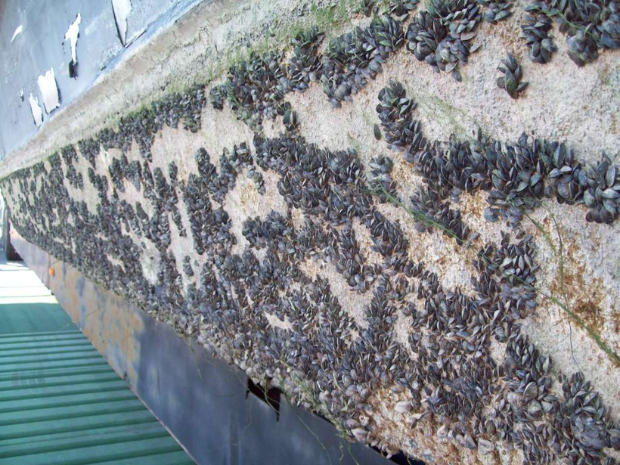
Everyone who enjoys Minnesota’s lakes and rivers has a role to play in preventing the spread of aquatic invasive species (AIS). It’s not hard to understand why aquatic invaders like zebra mussels, spiny water flea, and curlyleaf pondweed are harmful to our waters. If you live on or recreate on an infested waterbody, you may… Read more »
An Ounce of Prevention is Worth a Pound of Cure!
By Noah Baumann – Lake Shield LLC The waters of our beautiful state and beyond our borders, belong to everyone. What that means is we are all responsible for creating healthy user habits when it comes to recreating. As with all accesses, there are numerous signs and informational posts regarding fish limits, “No Power Loading,”… Read more »
How Well Do You Know MN?
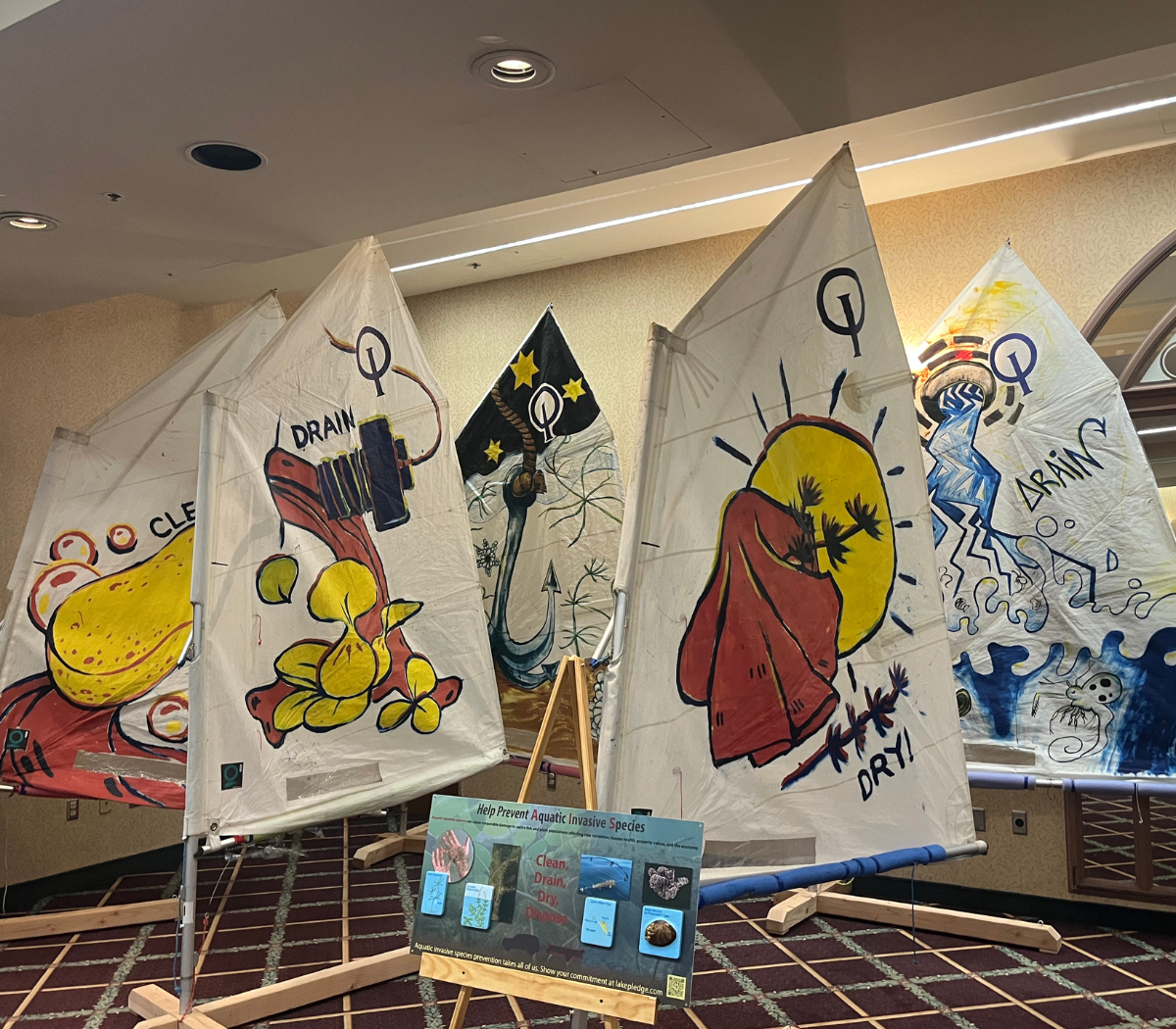
Aquatic Invasive Species Public Service Announcements These fun, informative videos are designed to remind all Minnesotans and visitors how small actions—like cleaning your boat, draining your live wells, and drying your gear—can have a huge impact in preventing the spread of aquatic invasive species. How You Can Help: MAY 2025 – Never Release! Don’t Let… Read more »
Reflections From UMISC 2024: Key Takeaways from the biggest invasive species conference in the world
By Sami Selter, Associate Executive Director This November, I had the exciting opportunity to both present and learn at the Upper Midwest Invasive Species Conference (UMISC) in Duluth, MN—the largest gathering of its kind in the world. I shared the success of the collaborative Stop Starry Program, where MLR has worked hand-in-hand with local and… Read more »
Lakeshore residents’ perspectives about aquatic invasive species management
Minnesota’s lakeshore communities are acutely aware of the threat aquatic invasive species (AIS) pose to the native ecology and the cultural enjoyment of our lakes and rivers. AIS is a recurring topic at lake association meetings, where members are actively managing infested waters, mobilizing volunteers, and sharing practical prevention strategies to protect their waters from… Read more »
MLR and County Partners Launch Statewide Aquatic Invasive Species PAS Series
Counties across Minnesota and Minnesota Lakes and Rivers Advocates have come together to produce a unique ‘How Well Do You Know Minnesota?’ series that provides MN fun facts and information about aquatic invasive species. The series launched May 1st and will run through September 30th with a different video showcased each month. This video series… Read more »
MLR’s Stop Starry & AIS Efforts to expand in 2024 & 2025
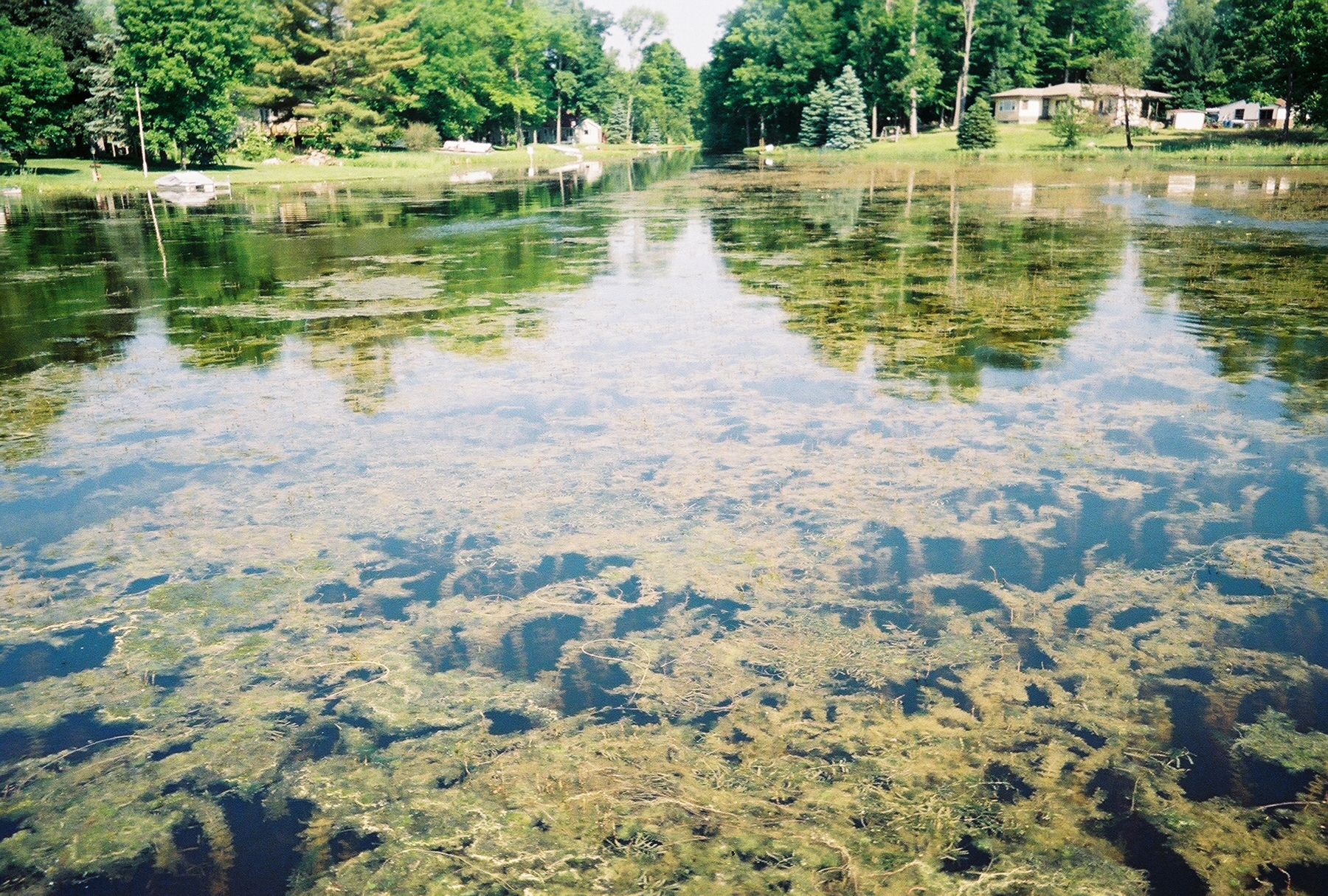
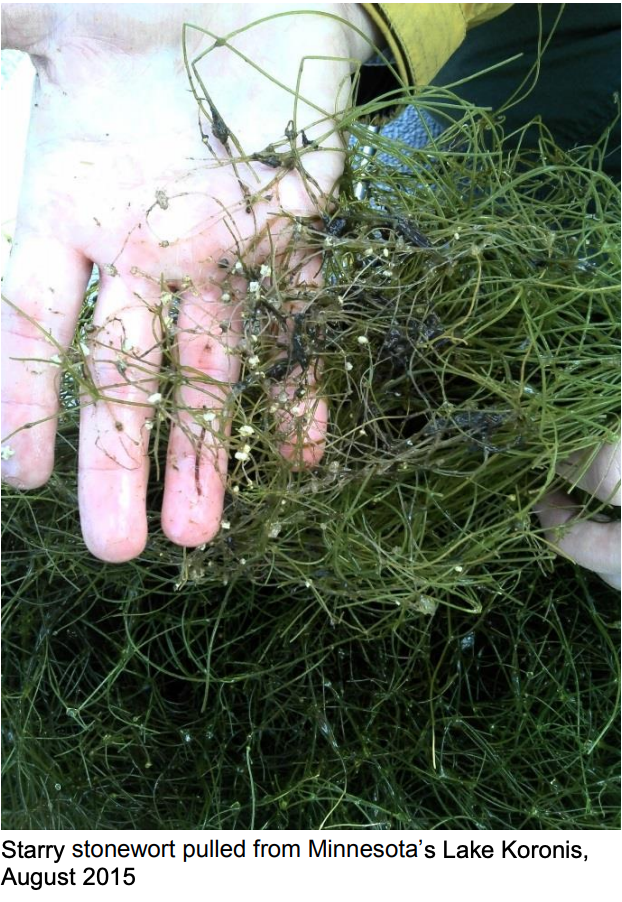
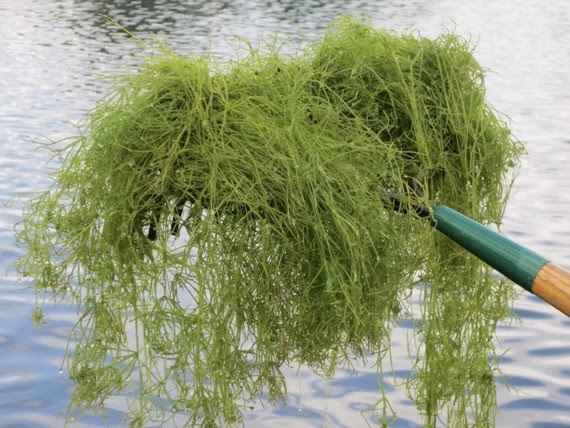
In late August of 2015 the invasive algae, Starry Stonewort (Nitellopsis obtusa) was confirmed in Lake Koronis at the Highway 55 public boat access. It was the first time that this Aquatic Invasive Species was confirmed in Minnesota. Starry stonewort is a stringy algae that can grow from two to twenty-five feet deep, can overwhelm… Read more »
Guest Post: Cedar Lake Conservation Club Expands AIS Containment
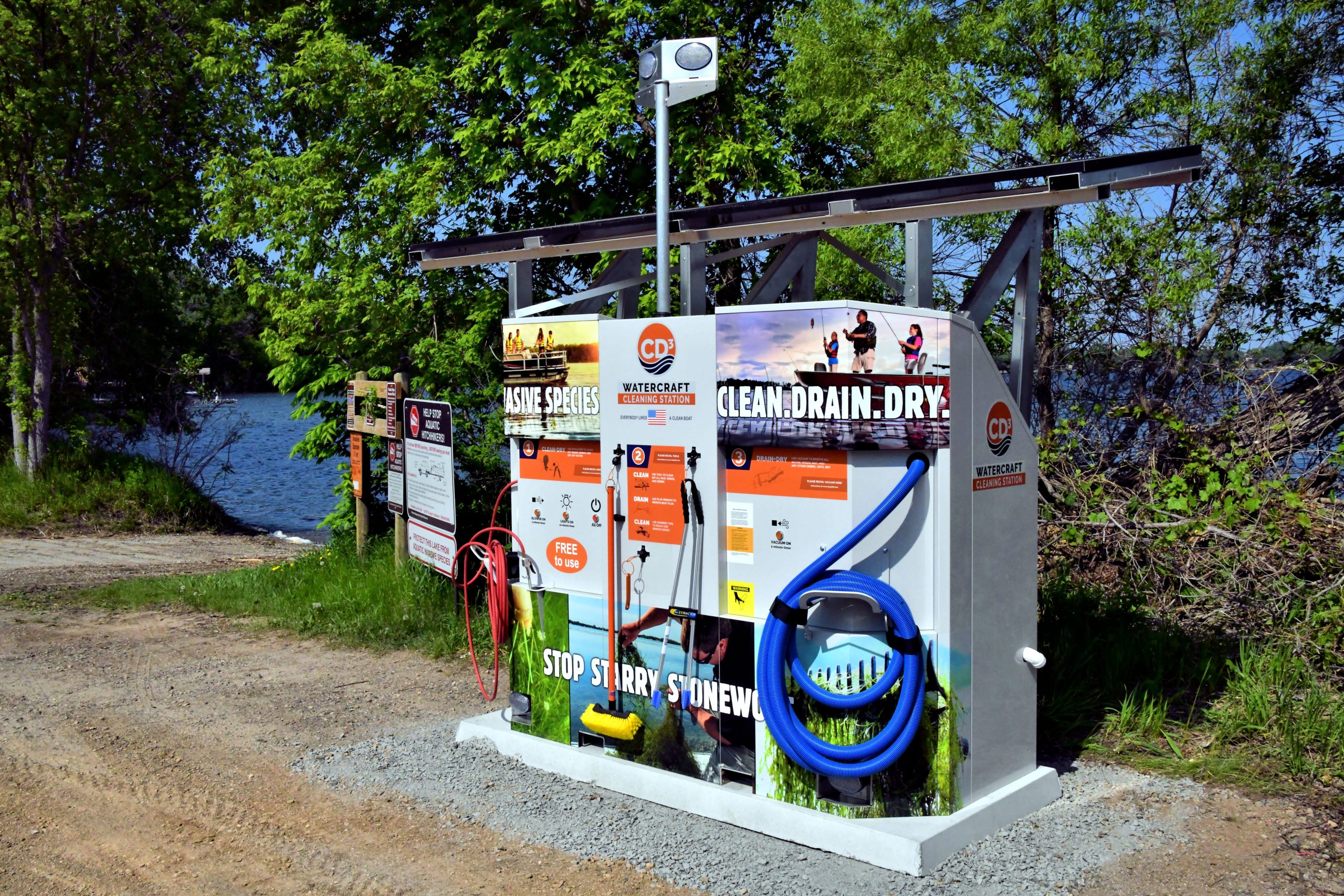
Second CD3 Station on Cedar Lake Provides the Tools Boaters Need to Clean, Drain and Dry, and help prevent the spread of Aquatic Invasive Species by David Glass, President of the Cedar Lake Conservation Club, May 30, 2023. The Cedar Lake Conservation Club (CLCC) and the Wright Soil and Water Conservation District (WSWCD) are pleased… Read more »
AIS: Lake Washburn New Infestation Response Plans Success
Early Detection of Aquatic Invasive Species Provides Profound Results and Good Return on Investment Washburn Lake Eradicates Eurasian Watermilfoil (mostly) In about 2007, I received a call from Ted Johnson, the President of the Lake Washburn Association, LWA about Aquatic Invasive Species. Ted was concerned that Lake Washburn was susceptible to AIS following the construction… Read more »